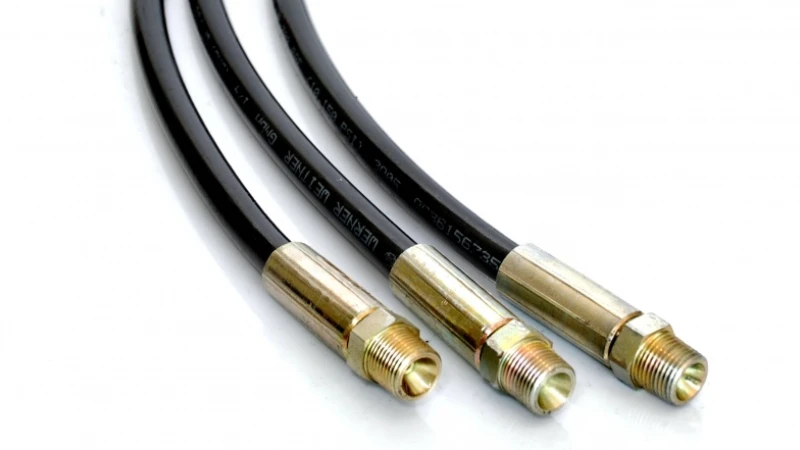
A reliable hydraulic hose should comply with internationally recognized standards including SAE J517, ISO 18752, EN 853, EN 857, and ISO 1436. These standards define pressure performance, temperature range, burst strength, impulse resistance, and material requirements. For example, SAE 100R15 hoses are designed for very high-pressure systems with working pressures often exceeding 400 bar, while ISO 18752 evaluates hose performance based on application pressure classes rather than only construction type.
Hydraulic hoses are used in equipment where pressurized fluid must move safely between pumps, valves, cylinders, and actuators. A typical industrial hydraulic system may operate continuously at 100–350 bar, while some mining and heavy construction equipment requires hoses rated above 400 bar. The hose must maintain its structure during pressure changes, mechanical movement, temperature variation, and contact with oil or external materials. Standards developed by organizations such as SAE International, ISO, and European standards bodies define the minimum performance requirements manufacturers must follow.
The most common reference is SAE J517, first introduced in 1953 and continuously updated to match modern hydraulic equipment requirements. This standard covers multiple hose categories, including SAE 100R1, SAE 100R2, SAE 100R12, SAE 100R13, and SAE 100R15. Each category specifies reinforcement structure, minimum bend radius, pressure rating, and testing requirements.
| Hose type | Reinforcement structure | Typical working pressure range | Common applications |
|---|---|---|---|
| SAE 100R1 | Single steel wire braid | Around 70–250 bar | General hydraulic equipment |
| SAE 100R2 | Two steel wire braid | Around 160–400 bar | Construction machinery |
| SAE 100R12 | Four spiral wire layers | Around 280–420 bar | Heavy-duty hydraulic systems |
| SAE 100R15 | Six spiral wire layers | Above 400 bar | Mining and high-pressure equipment |
The reinforcement structure directly affects pressure capability because steel wire layers distribute internal stress across the hose wall. A hose designed for 350 bar working pressure usually requires a burst pressure several times higher according to the applicable standard. Many industrial specifications require a minimum burst-to-working-pressure ratio of 4:1, providing additional tolerance during pressure spikes.
Pressure performance is only one part of hose reliability. ISO 18752, published in 2006, introduced a performance-based classification system for hydraulic hoses. Instead of focusing only on reinforcement design, the standard groups hoses according to pressure class, temperature capability, and application requirements. This approach allows manufacturers and equipment builders to compare hose performance more consistently.
“ISO 18752 classifies hoses by constant pressure capability, with some designs rated from 21 MPa to more than 42 MPa depending on application category.”
The standard is widely applied in mobile machinery, industrial equipment, and offshore systems where hose replacement requirements must match original equipment specifications. Hoses meeting ISO 18752 requirements are tested for dimensions, pressure resistance, leakage performance, and impulse durability before approval.
European markets commonly reference EN 853 and EN 857 for wire-braided hydraulic hoses. EN 853 covers traditional reinforced rubber hoses, while EN 857 focuses on compact designs with smaller outside diameters and improved flexibility. Compact hoses can reduce installation space by approximately 15–30% compared with conventional designs of similar pressure ratings.
This smaller size is useful in equipment where multiple hydraulic lines are installed close together. Forklifts, agricultural machines, and compact excavators often use EN 857 hoses because routing space is limited and frequent movement requires a smaller minimum bend radius.
A reliable hydraulic hose must also pass impulse testing because real hydraulic systems rarely operate at a constant pressure. During machine operation, valves open and close repeatedly, creating pressure cycles that stress the reinforcement layers and inner tube.
For example:
| Test item | Typical requirement |
|---|---|
| Working pressure test | Continuous rated pressure operation |
| Burst pressure test | Several times above working pressure |
| Impulse test | Thousands to hundreds of thousands of pressure cycles |
| Leakage inspection | No fluid leakage after testing |
High-quality high pressure hydraulic hoses used in construction and industrial equipment are commonly tested through repeated impulse cycles to verify long-term pressure stability. SAE J517 impulse testing procedures require hoses to withstand repeated pressure changes at controlled temperatures without failure.
Temperature resistance is another requirement defined by international standards. Hydraulic hoses must maintain flexibility and strength when exposed to both low and high temperatures. Standard rubber hydraulic hoses often operate between approximately -40°C and +100°C, while specially designed products may reach 135°C or higher.
Temperature affects rubber compounds in several ways. Excessive heat can accelerate aging, reduce elasticity, and weaken bonding between layers. Low temperatures can increase stiffness and reduce bending performance. For equipment used outdoors, temperature ratings must match both hydraulic fluid temperature and surrounding environmental conditions.
“A hose rated for pressure but unsuitable for temperature conditions may lose service life even when the pressure remains within specification.”
Material selection also determines resistance against external conditions. Hydraulic hoses are commonly exposed to mineral oils, synthetic fluids, dust, vibration, and mechanical contact. The outer cover must resist abrasion, ozone aging, and chemical exposure.
Common hose materials include:
| Component | Material examples | Function |
|---|---|---|
| Inner tube | Synthetic rubber, thermoplastic compounds | Fluid compatibility |
| Reinforcement | Steel wire braid or spiral wire | Pressure support |
| Outer cover | Oil-resistant rubber compounds | Environmental protection |
Dimensional accuracy is controlled by standards because hydraulic systems require precise connections between hoses and fittings. Differences in inner diameter, outer diameter, or wall thickness can affect flow rate, pressure loss, and installation quality.
For example, a hose with an incorrect inner diameter can increase fluid velocity and generate additional pressure loss. In high-flow hydraulic equipment, even a small dimensional difference can influence system efficiency.
Manufacturing quality is verified through multiple inspection stages. Many professional hose manufacturers perform material testing, dimensional measurement, pressure testing, and batch traceability checks. Production records allow each hose batch to be linked with raw materials, manufacturing dates, and inspection results.
A typical quality control process may include:
-
Raw material inspection before production
-
Reinforcement positioning measurement
-
Pressure testing after assembly
-
Visual inspection of outer cover condition
-
Final dimensional verification
Certification documents are also important when selecting hydraulic hoses for industrial applications. A supplier should provide information about applicable standards, pressure ratings, temperature limits, and testing results. Equipment manufacturers often require this documentation before approving components for production systems.
The correct hydraulic hose standard depends on the operating environment. A construction excavator working under heavy vibration may require SAE 100R12 or SAE 100R15 hoses, while factory automation equipment may prioritize compact dimensions and flexibility. Offshore machinery may require additional protection against corrosion, salt exposure, and temperature changes.
A hose selection process usually considers:
-
Maximum operating pressure
-
Hydraulic fluid type
-
Working temperature range
-
Required bend radius
-
Mechanical movement frequency
-
External environmental exposure
Selecting a hose according to recognized standards reduces unexpected maintenance requirements and improves equipment reliability. Standards provide measurable requirements for pressure capability, material performance, and testing procedures, allowing engineers to match hose specifications with actual operating conditions.